What it's about floating islands, a dark underground and a toolbox for building
Tears of the Kingdom picks up after Breath of the Wild, in the same Hyrule, but everything's different. Something strange has torn the land apart, and now there are islands floating in the sky, a huge dark world under the ground, and the old Hyrule in between. You're Link again, and your job is to find out what's going on and put it right.
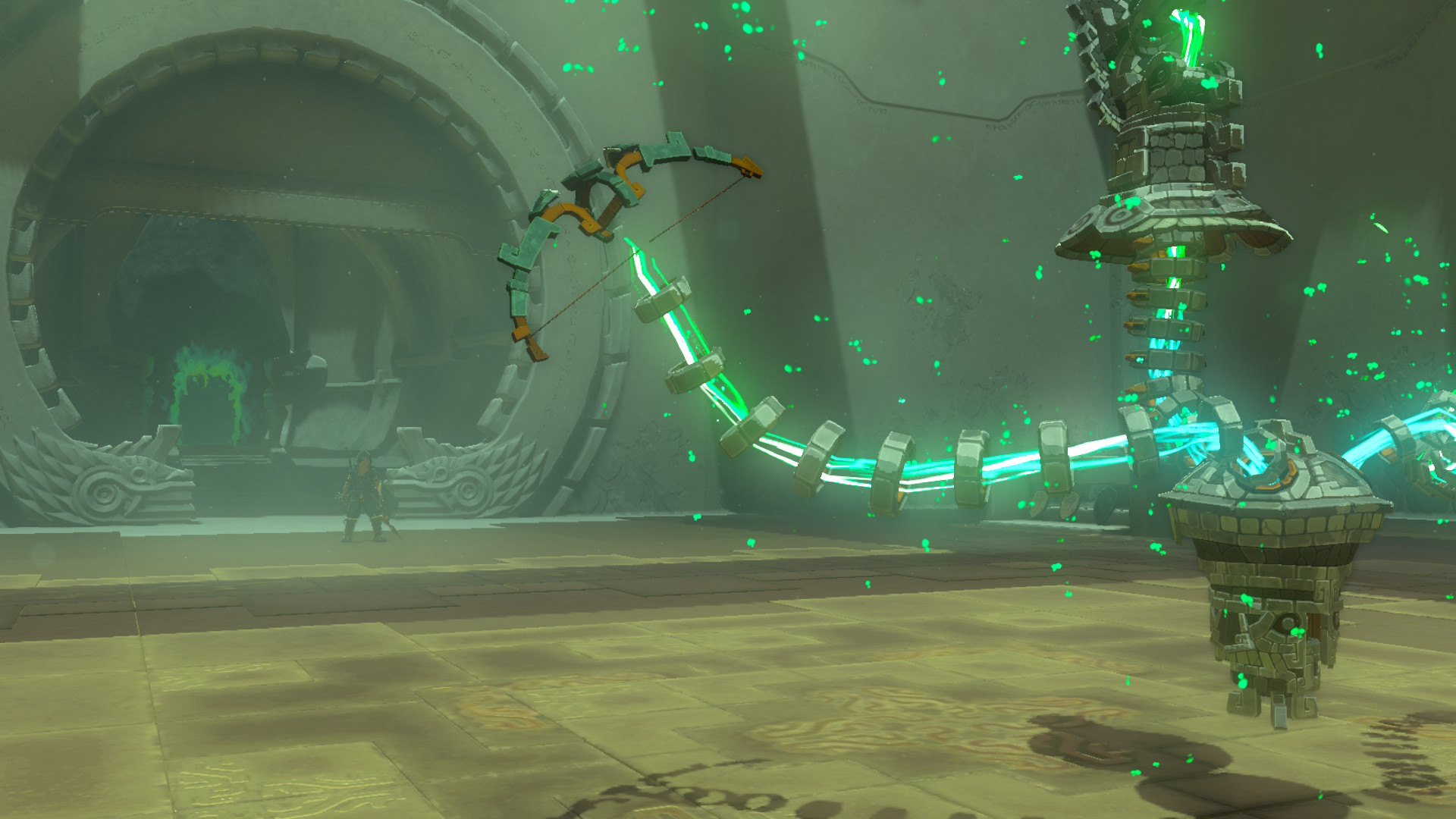
The big new idea is that you can build things. With Ultrahand you glue objects together to make carts, boats, flying machines and bridges, and with Fuse you stick items onto your weapons. Add Ascend, which lets you swim up through ceilings, and Recall, which rewinds objects in time. The game hands you the tools and lets you work out the rest.
How I got into it two years of waiting for the right moment
I've owned Tears of the Kingdom for two years. I bought it with Breath of the Wild when I got my Switch 1, and then it sat there waiting for a special occasion. That came when I finished Breath of the Wild a few months ago and the free Switch 2 upgrade turned up. That was the moment.
I honestly thought it would be Breath of the Wild again with a slightly different story. It isn't. There's a lot of new stuff in it and some really cool mechanics, and I was very happy to be wrong.
How it looks sky islands above, the Depths below
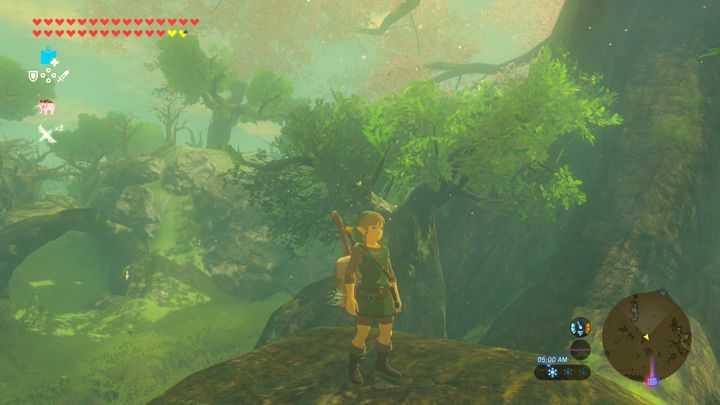
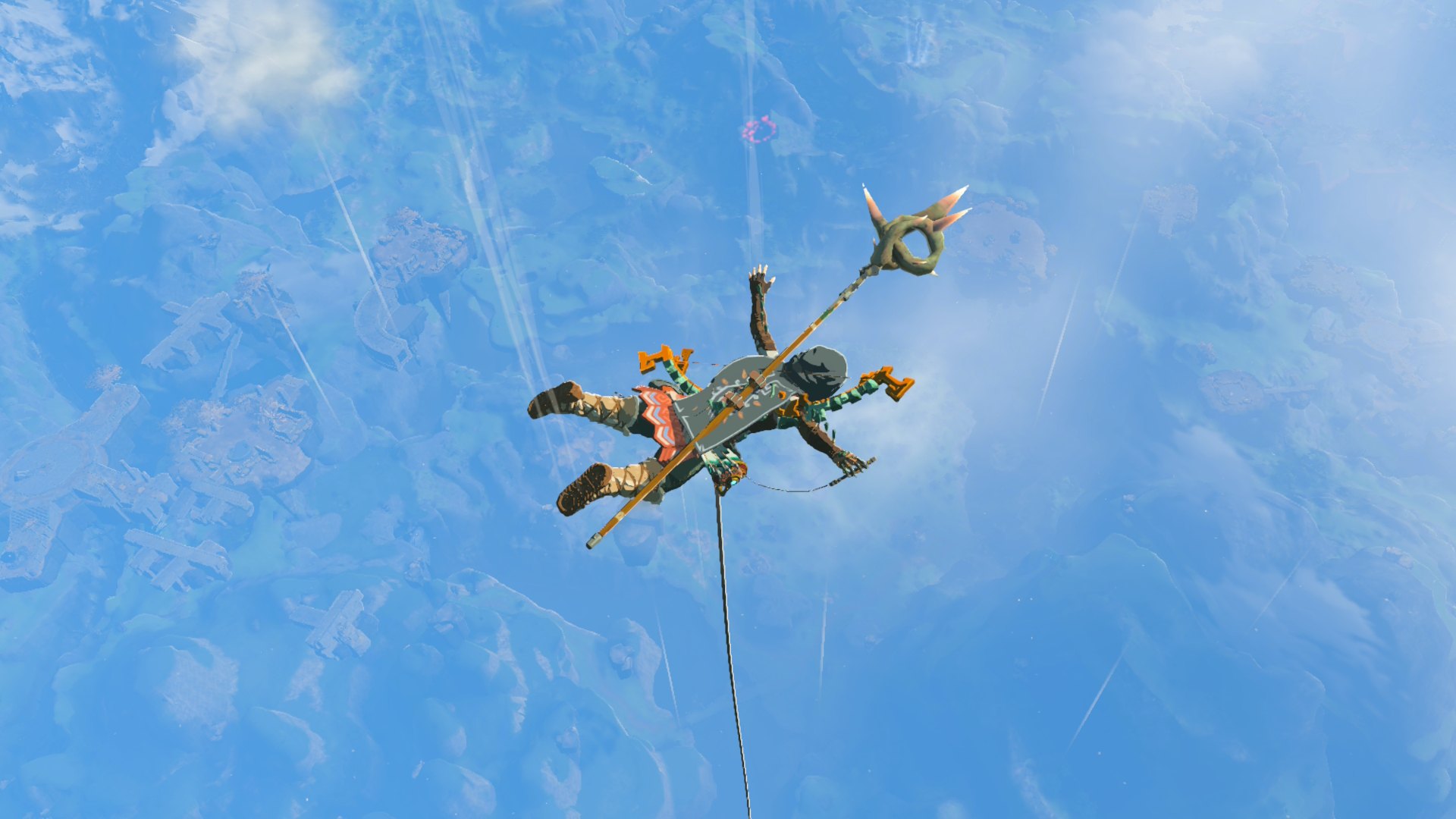
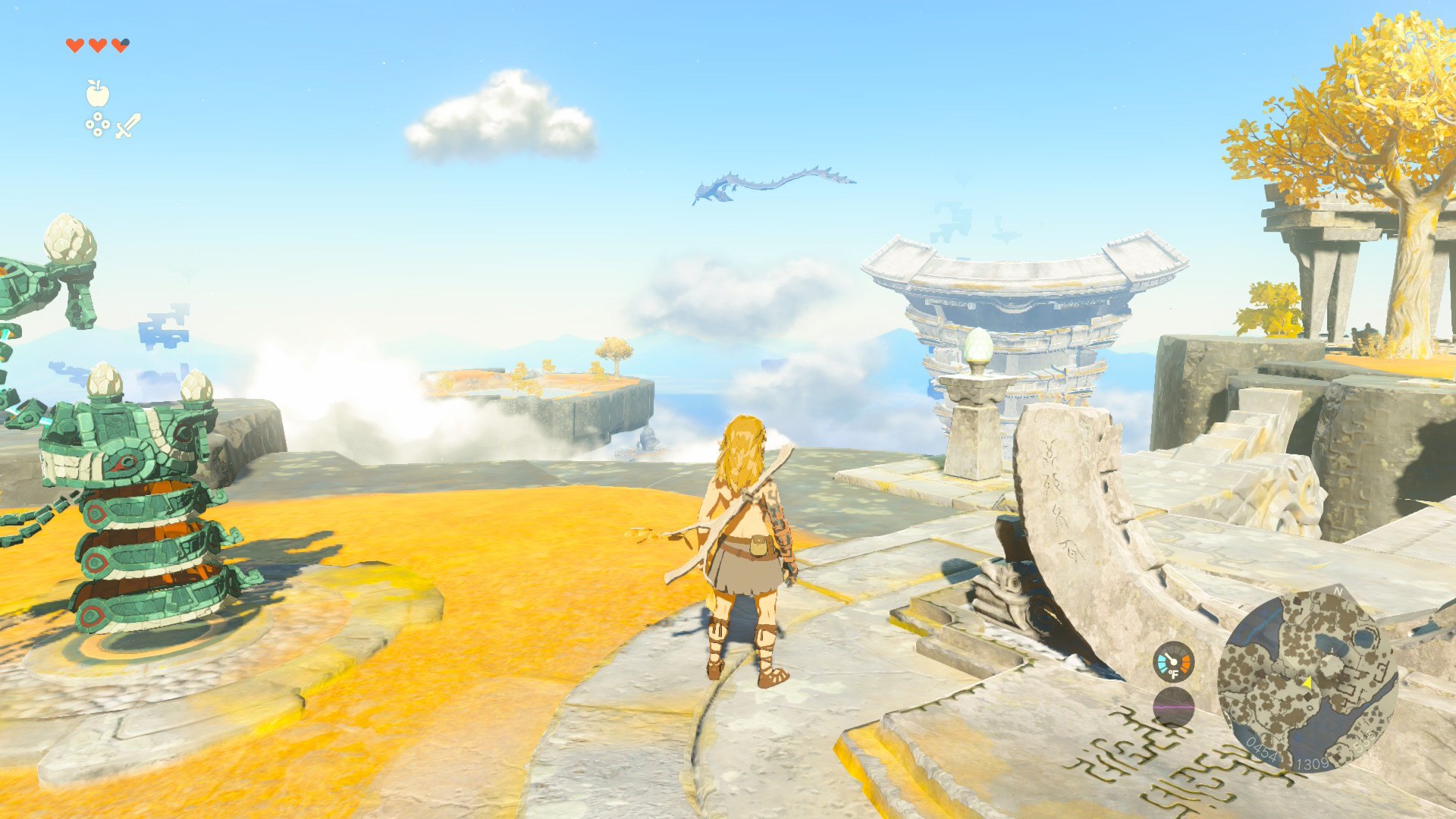
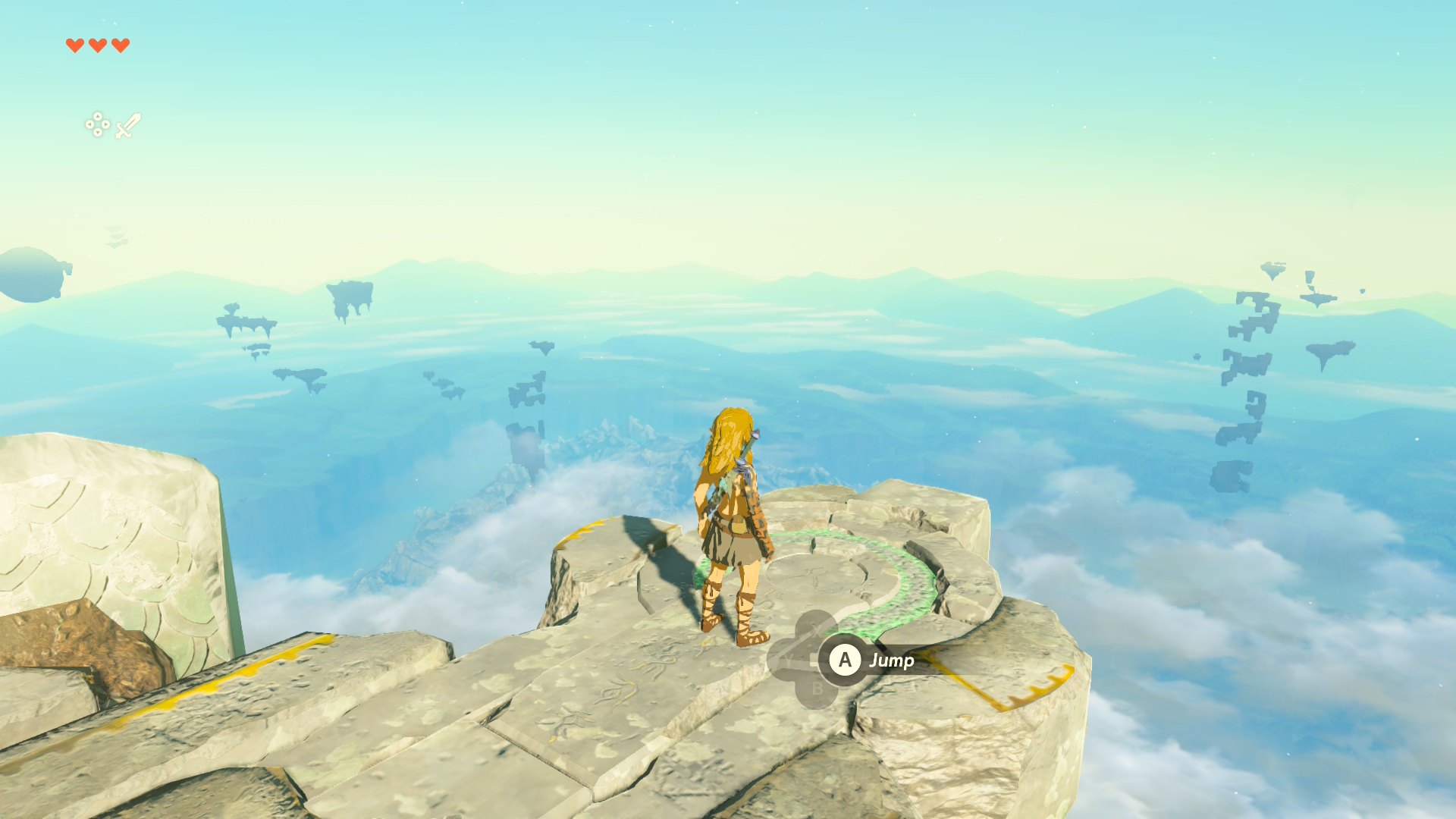
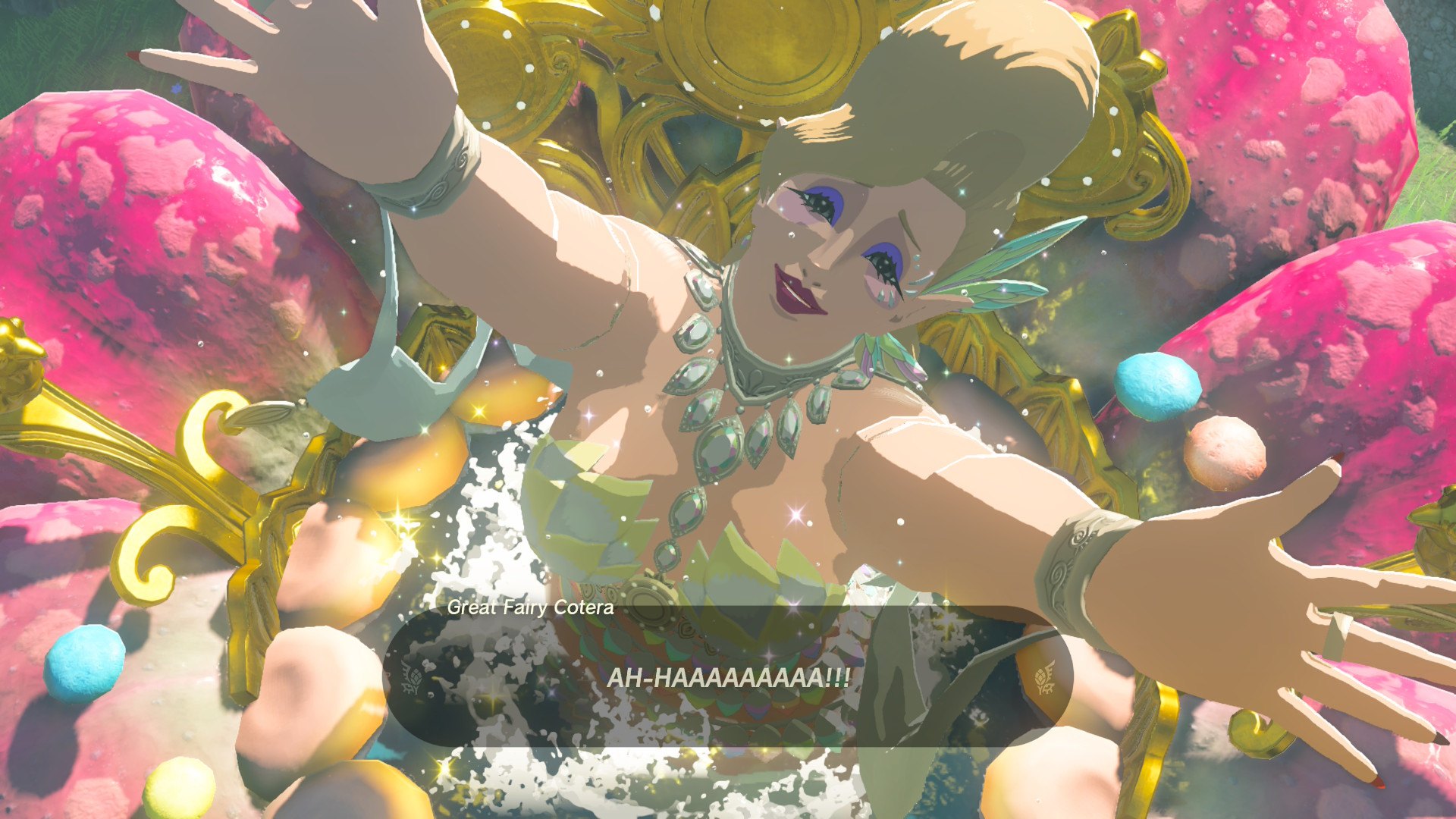
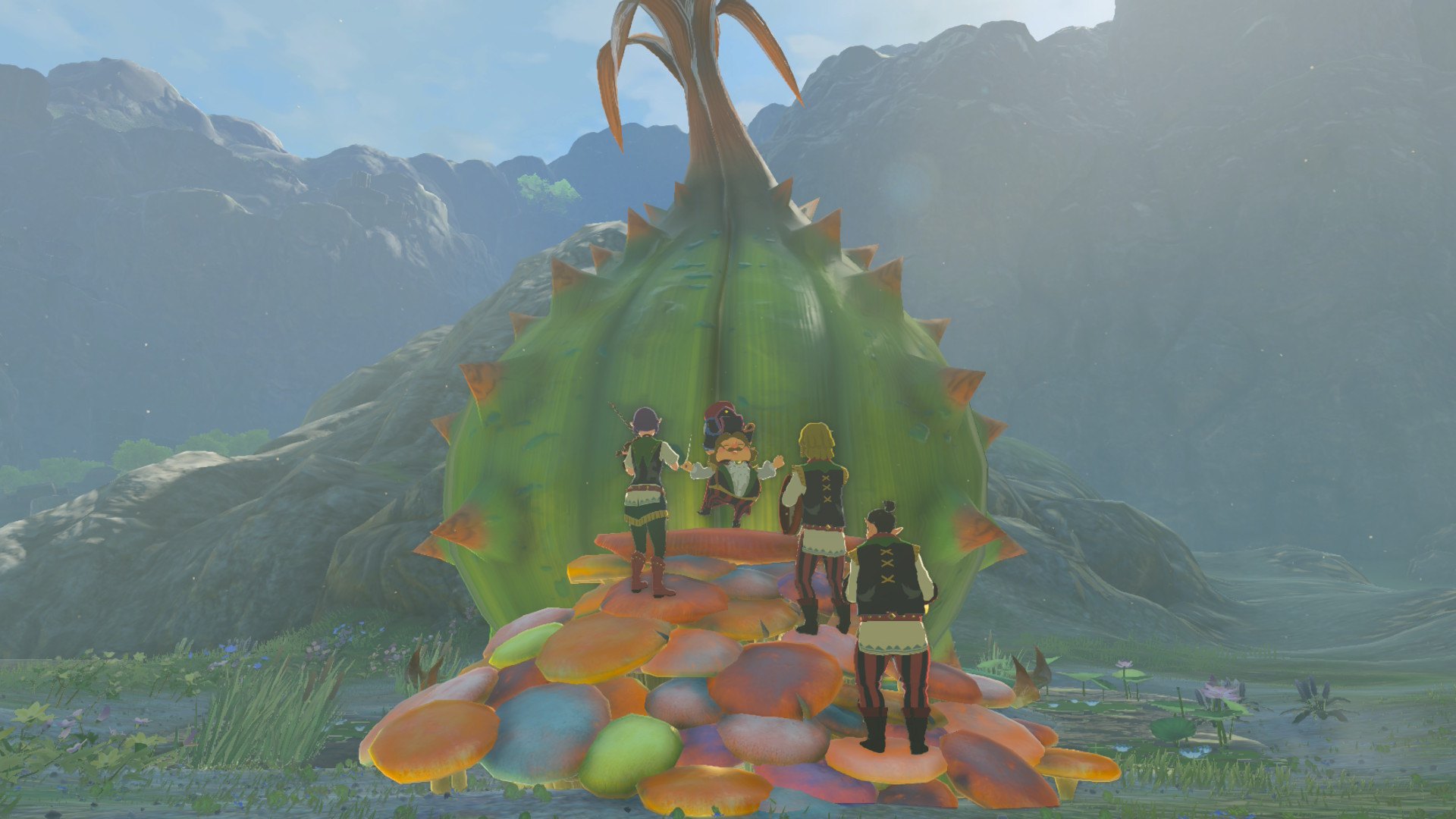
Nintendo made Hyrule feel new again. It's the same soft painterly style, but now there are islands floating in the sky with waterfalls pouring off them into the clouds. Jumping off a sky island and watching the whole map open up below you is the kind of moment you want to show a friend.
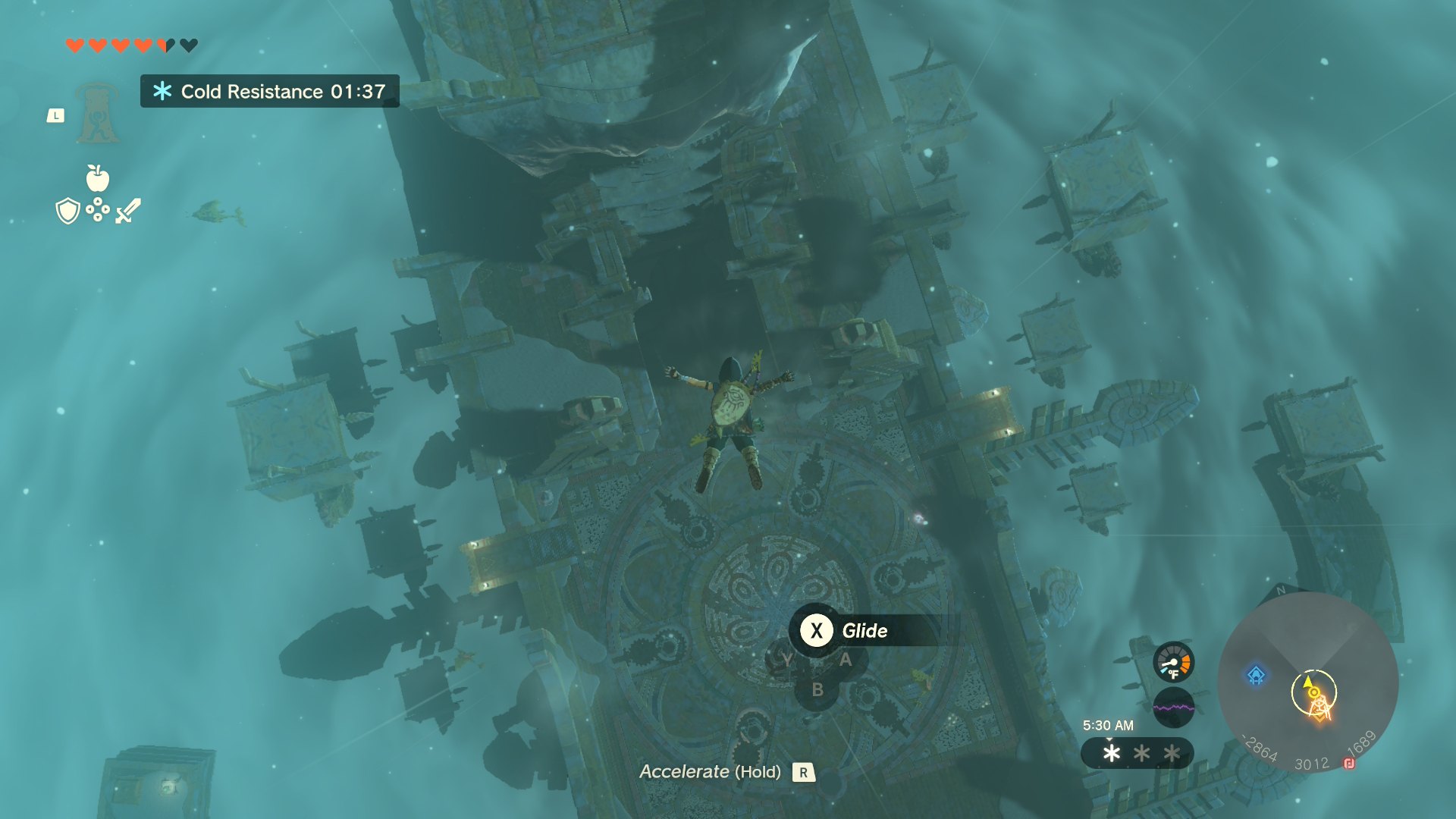
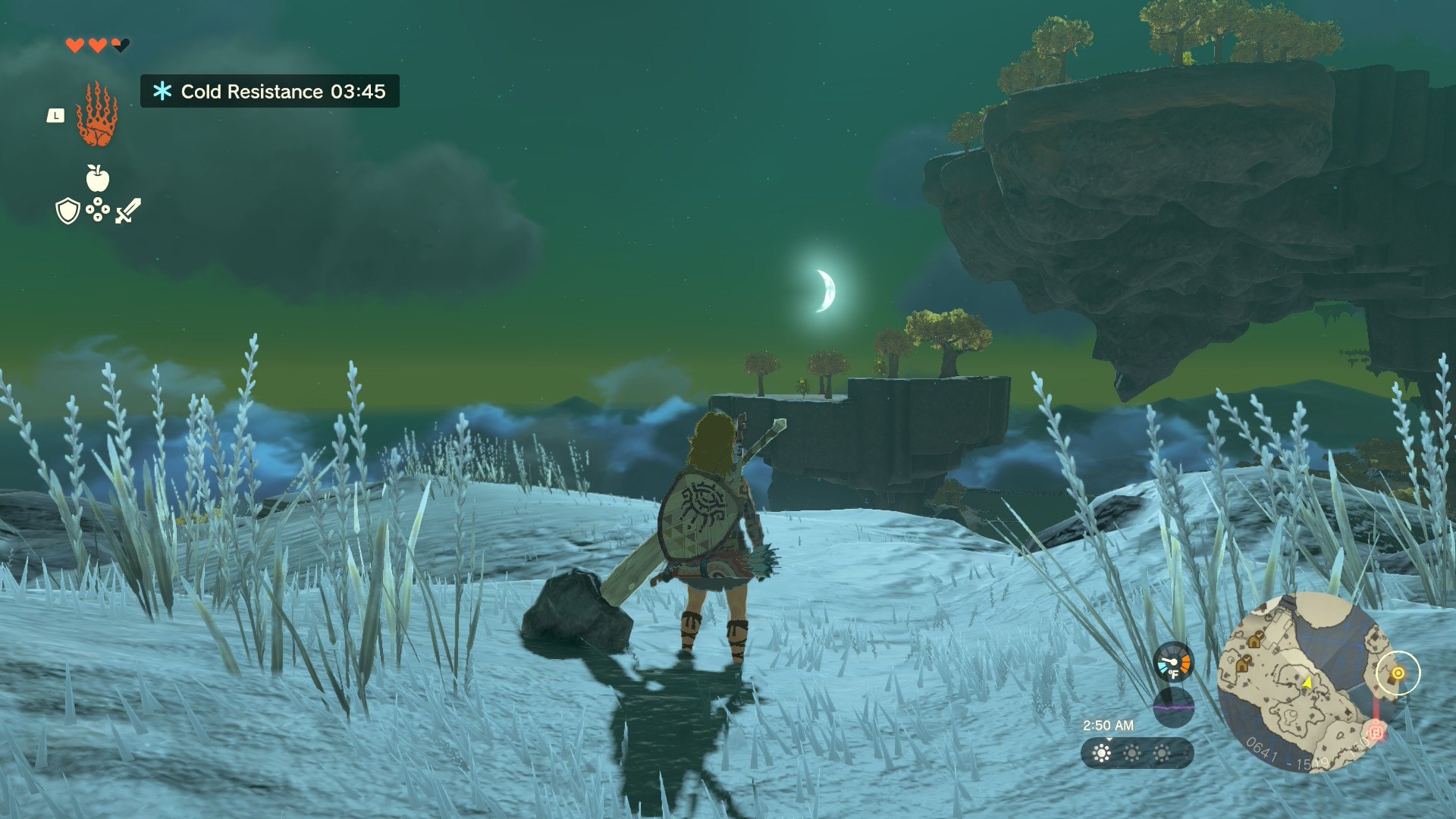
It really is a beautiful game and I'm always amazed. Once you've finished the main story, ten or fifteen minutes is plenty to pick it up, walk around and admire it. Before that, there's so much to do that a short session never feels like enough.
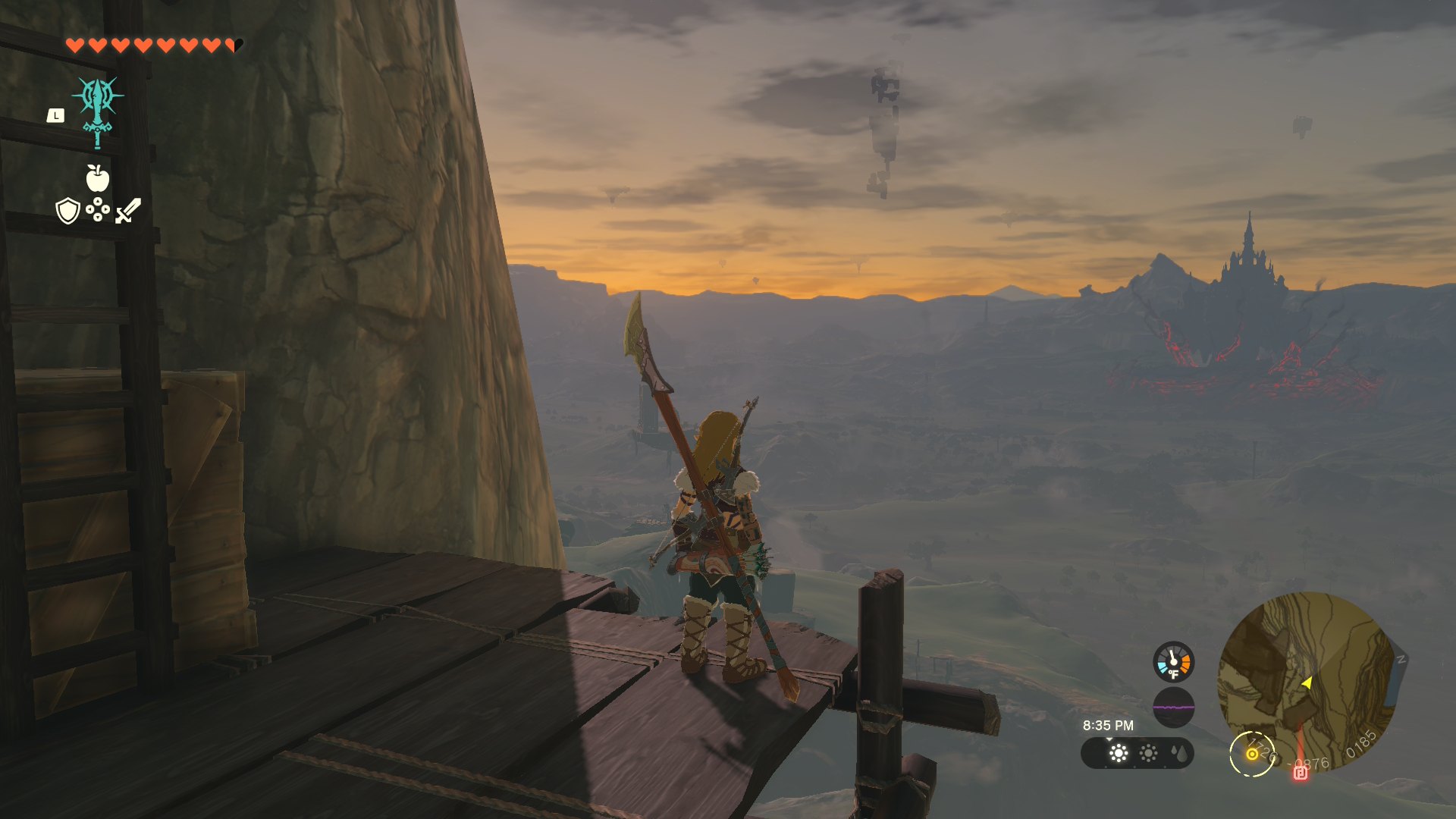
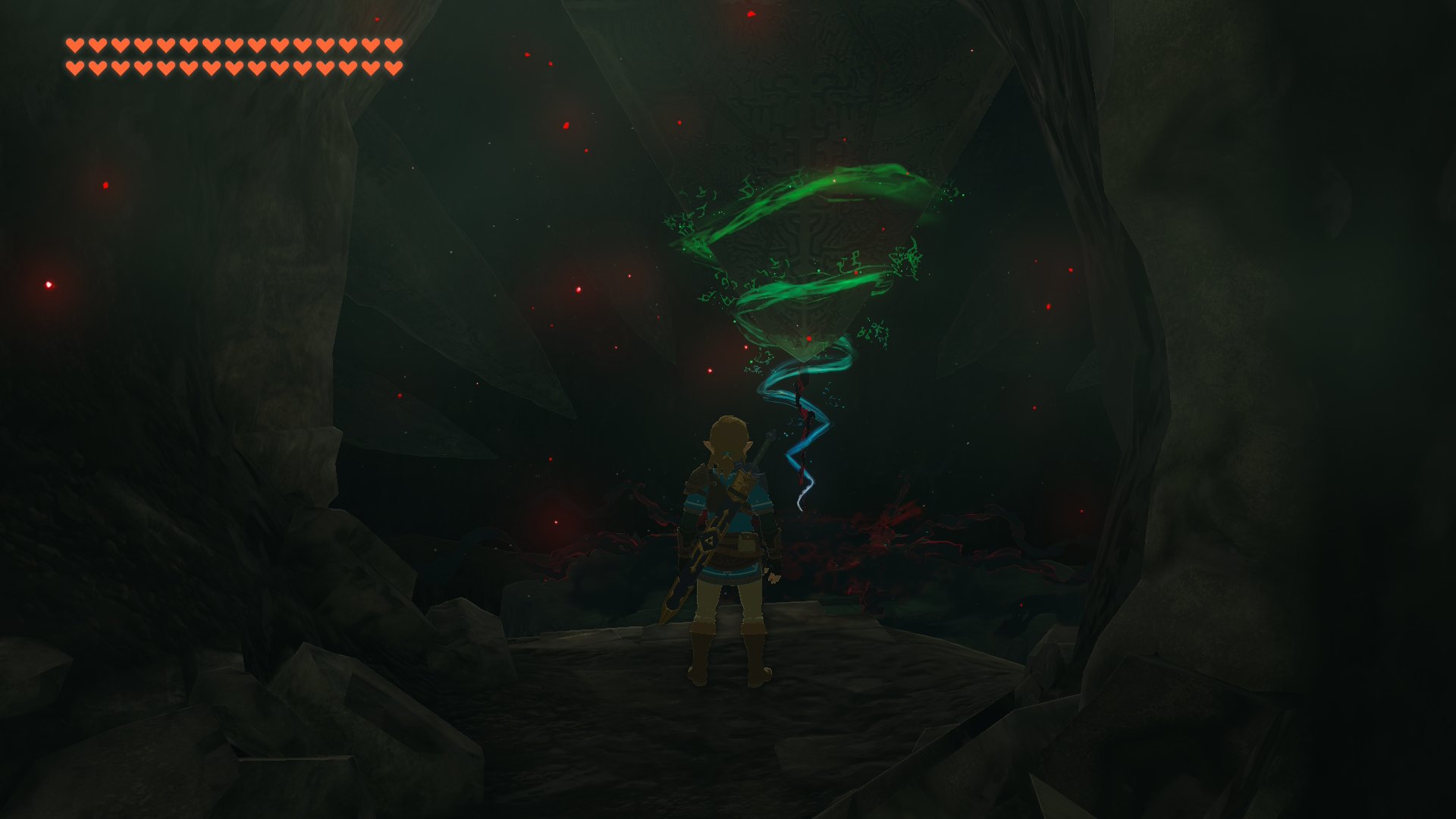
Underneath, the Depths are pitch black and eerie, a whole other world lit only by the light you bring. On the TV the sky views are huge, and on Switch 2 the picture is sharp: Digital Foundry measured up to 1440p docked and up to 1080p in handheld.
How it sounds soft piano on the ground, hopeful in the sky, quiet below
The music is just as majestic as in Breath of the Wild, and it builds on it. Soft piano drifts in while you wander, and the big orchestral moments feel earned because the quiet comes first. The sky islands have a floaty, hopeful sound that I really like, and the Depths are mostly silence and low rumbles, which is exactly right.
The sound effects are great for a building game: the click of parts sticking together, the whirr of a fan, the thud of a crash. Things you've built have a sound of their own, which makes them feel real. What gets me most is the detail in all these little sounds and how well the whole game is made. It's always a pleasure to play a Zelda, and the innovation here is a big part of that. Headphones at night work well.
The story and the people warmer than before, with more voiced scenes
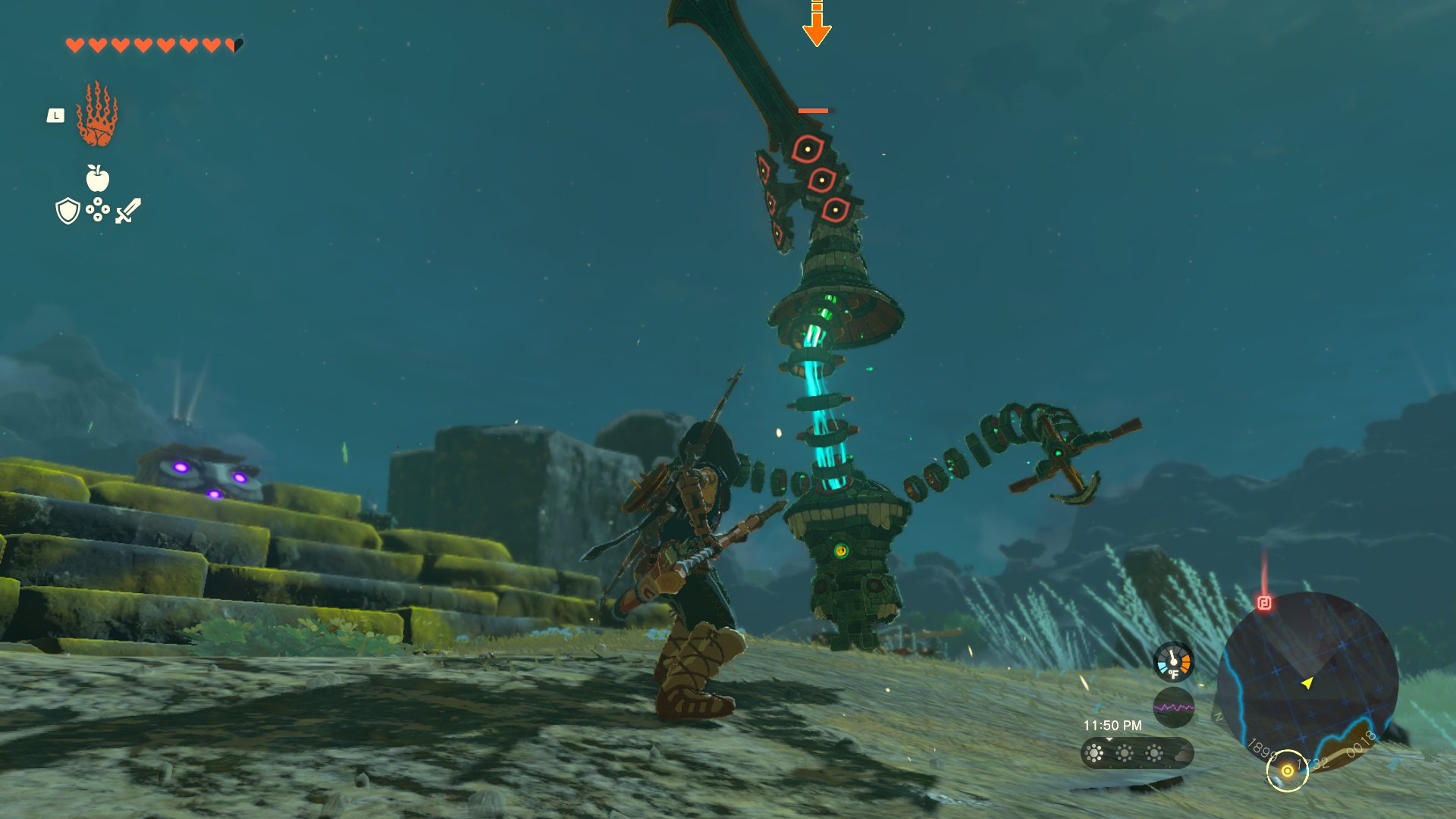
The story is bigger and warmer than before, with more voiced scenes and a stronger sense of who the characters are. You still find a lot of it in pieces around the land and you can take it in any order. I won't say more, because finding out is half the fun.
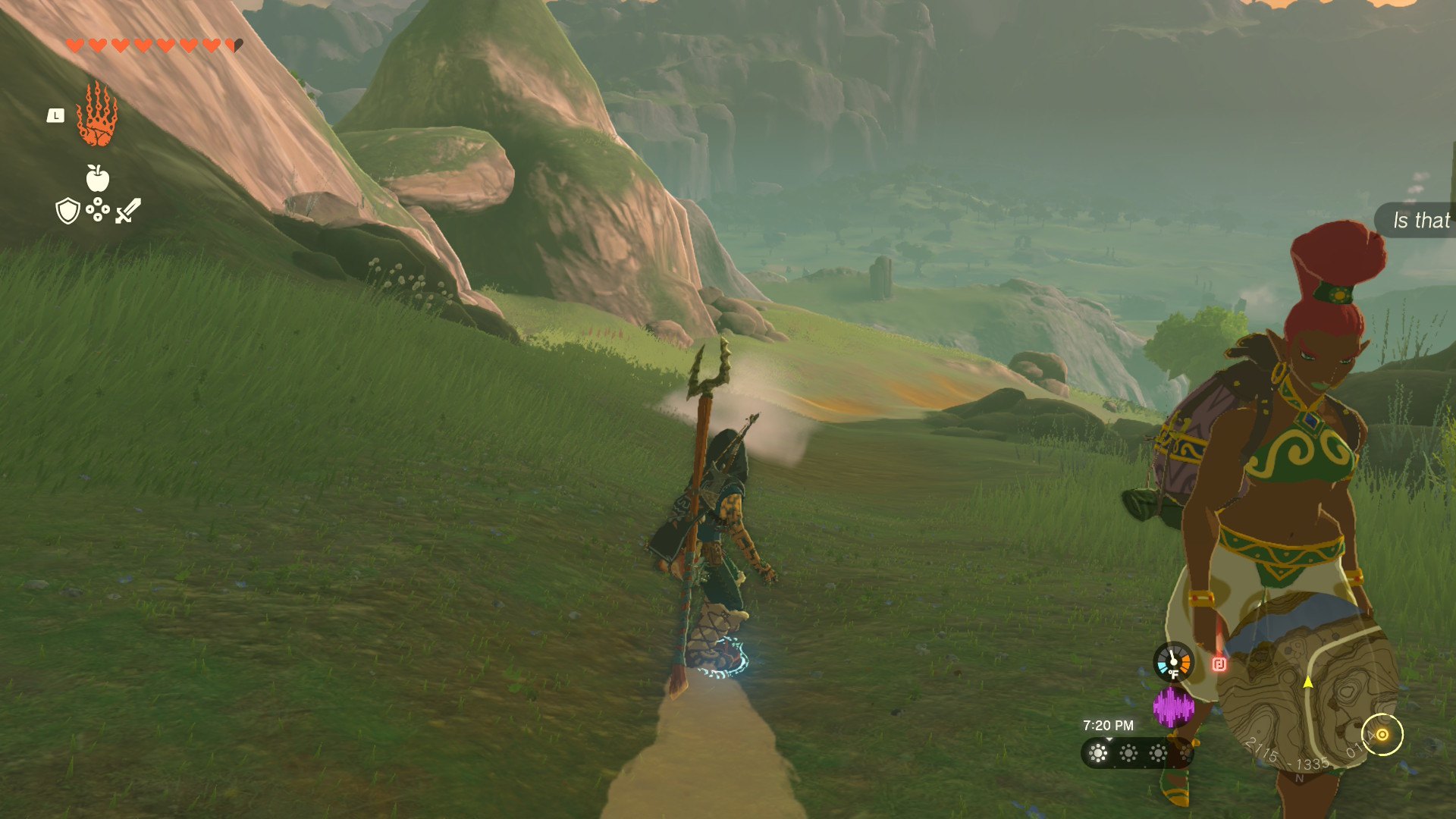
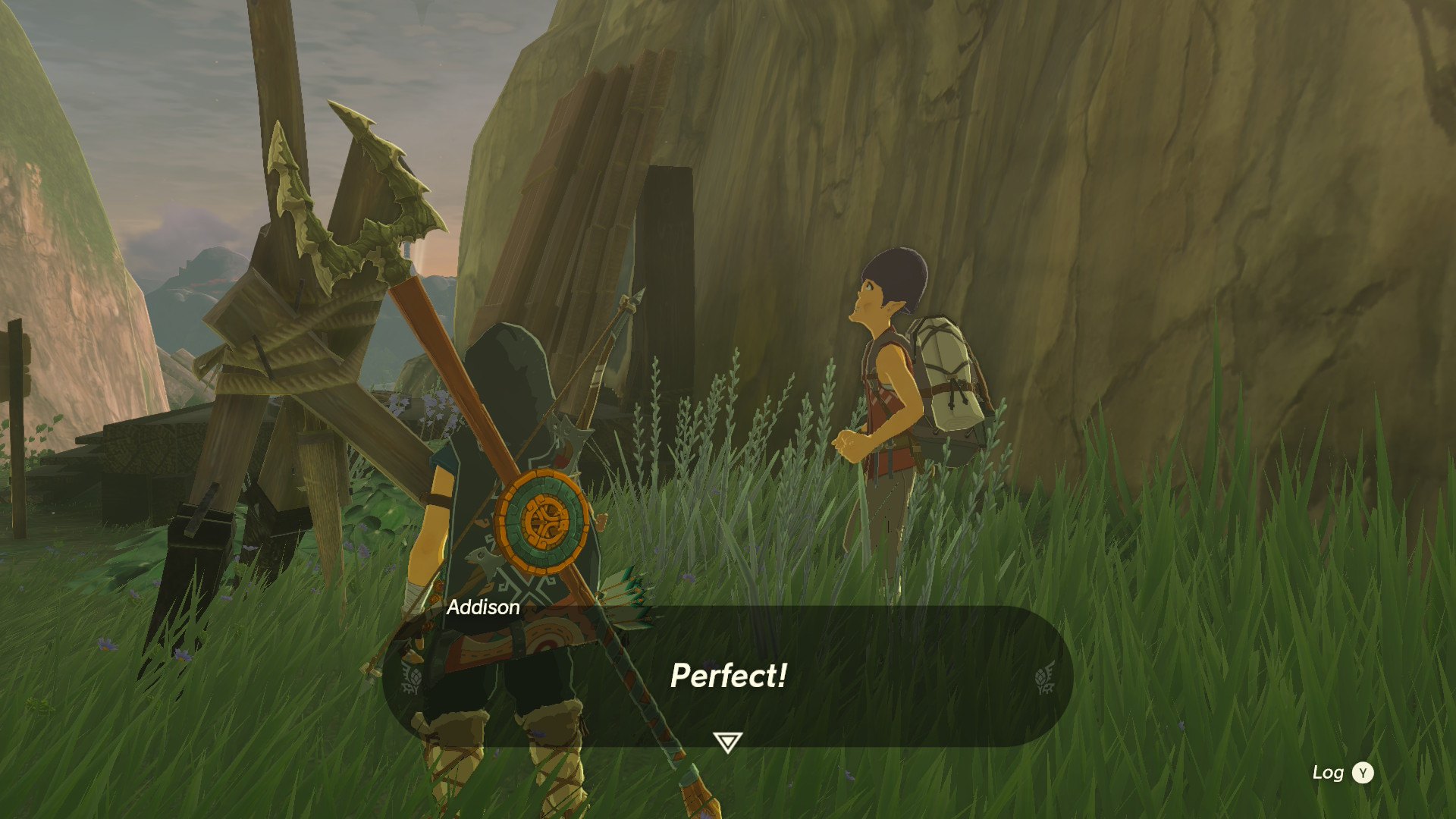
The people you meet are often funny, and the small stories in towns and camps make the world feel lived-in. There's more dialogue than in Breath of the Wild, and more to read, but it never gets heavy.
After work: effort and challenge brilliant, but save the big builds for a good evening
Does it give you space to chill? Yes, if you pick your moment. Knowing Breath of the Wild helps at the start, but you don't need it. Like any Zelda, it's very intuitive and easy to take on.
Here's where I have to be honest as a casual player. Ultrahand is brilliant and it's the heart of the game, but it's also work. My first builds were very silly and a lot of them didn't work. There's a small learning curve in making a contraption run straight and not fall apart halfway through. Building something that flies can take twenty minutes of trying, and that can be the best part of the evening or the worst, depending on how tired you are.
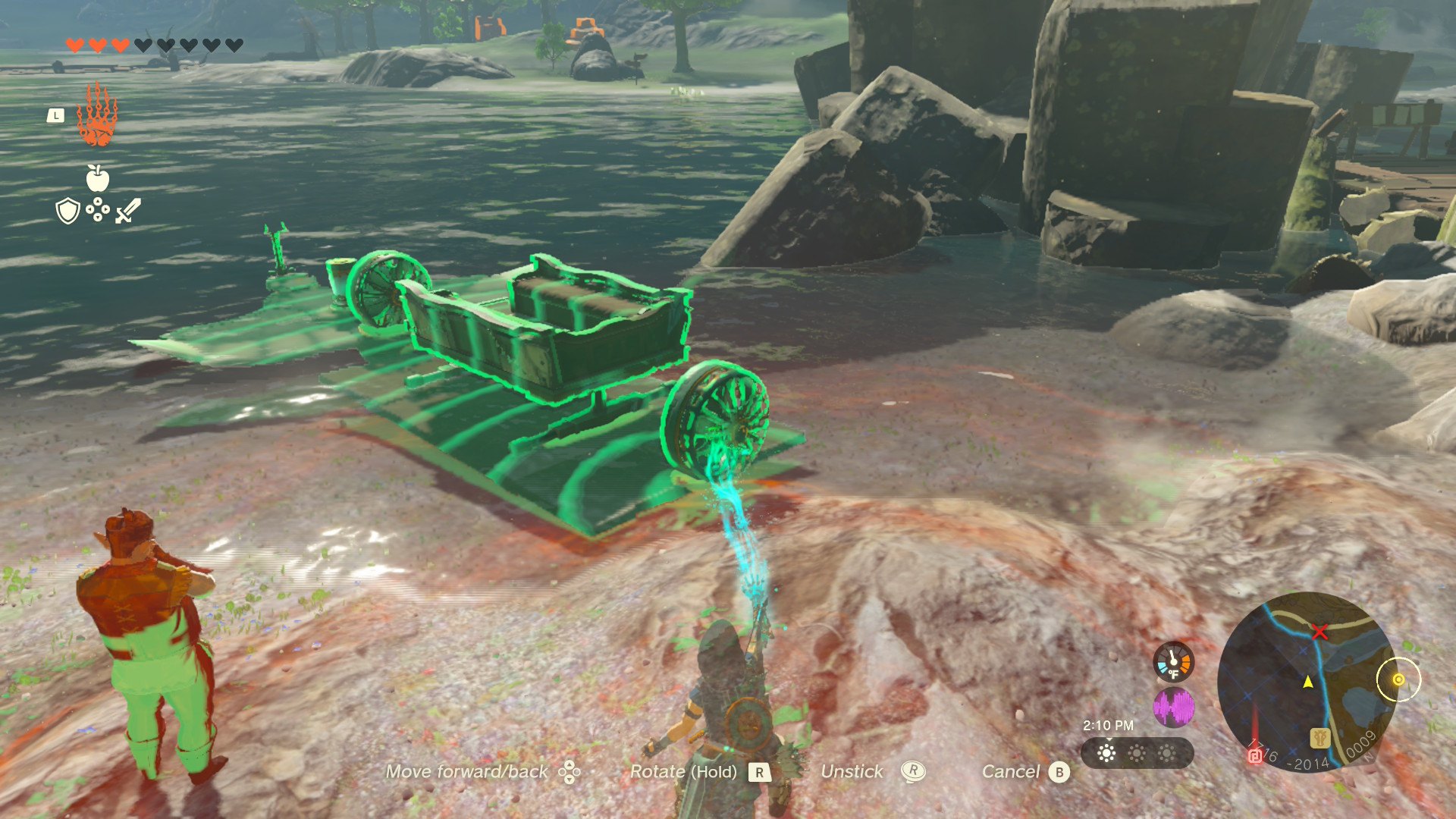
Which brings me to the learning curve. At the very beginning, Tears of the Kingdom is not the perfect game for winding down after work. You're picking up Ultrahand, Fuse, Ascend and Recall all at once, and you're also building the reflexes that make them work: which power to reach for, how to turn a part the right way, what to do when your contraption heads for the nearest cliff. Those first evenings can feel a bit like homework with a glider.
Then something clicks. The powers become automatic, your thumbs know what to do, and the same game turns into the toybox it was meant to be. From that point on it really is a chill game, the kind where you hop on a sky island and nothing is asked of you except curiosity. Give it a few evenings and you'll see the difference.
There's simply more to hold in your head than in Breath of the Wild: four new powers, three layers of map and lots of ways to mix things. You never have to be clever, but the game is happiest when you are. Come back after a week and your goal is clear, though your tricks take a minute to remember. The challenge is a step up in places, with tougher enemies, but saves are frequent and failing costs a little time.
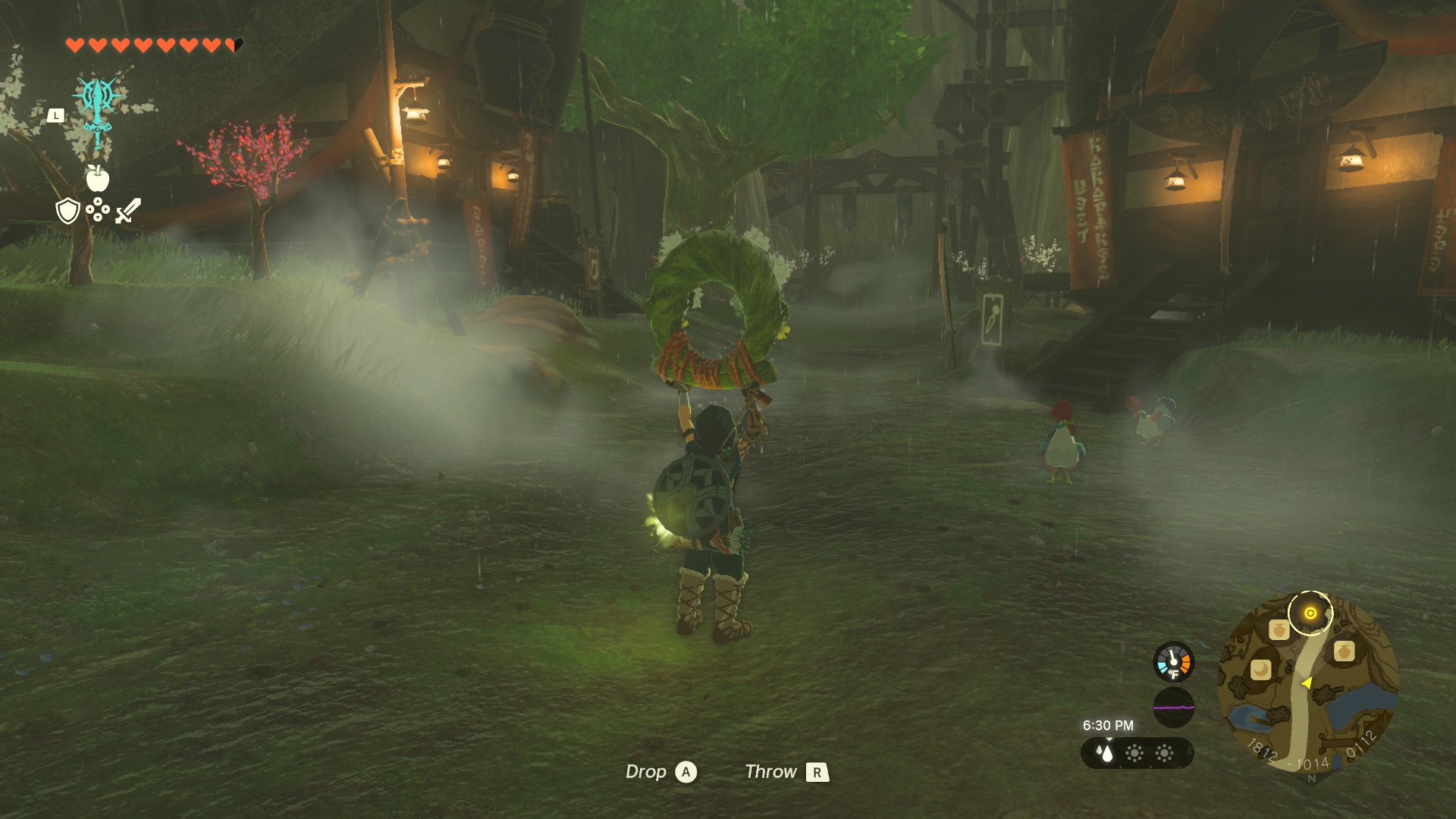
On tired nights, do what I do and just wander. Walk around, admire the view, poke at a shrine. It's a great chill game that way.
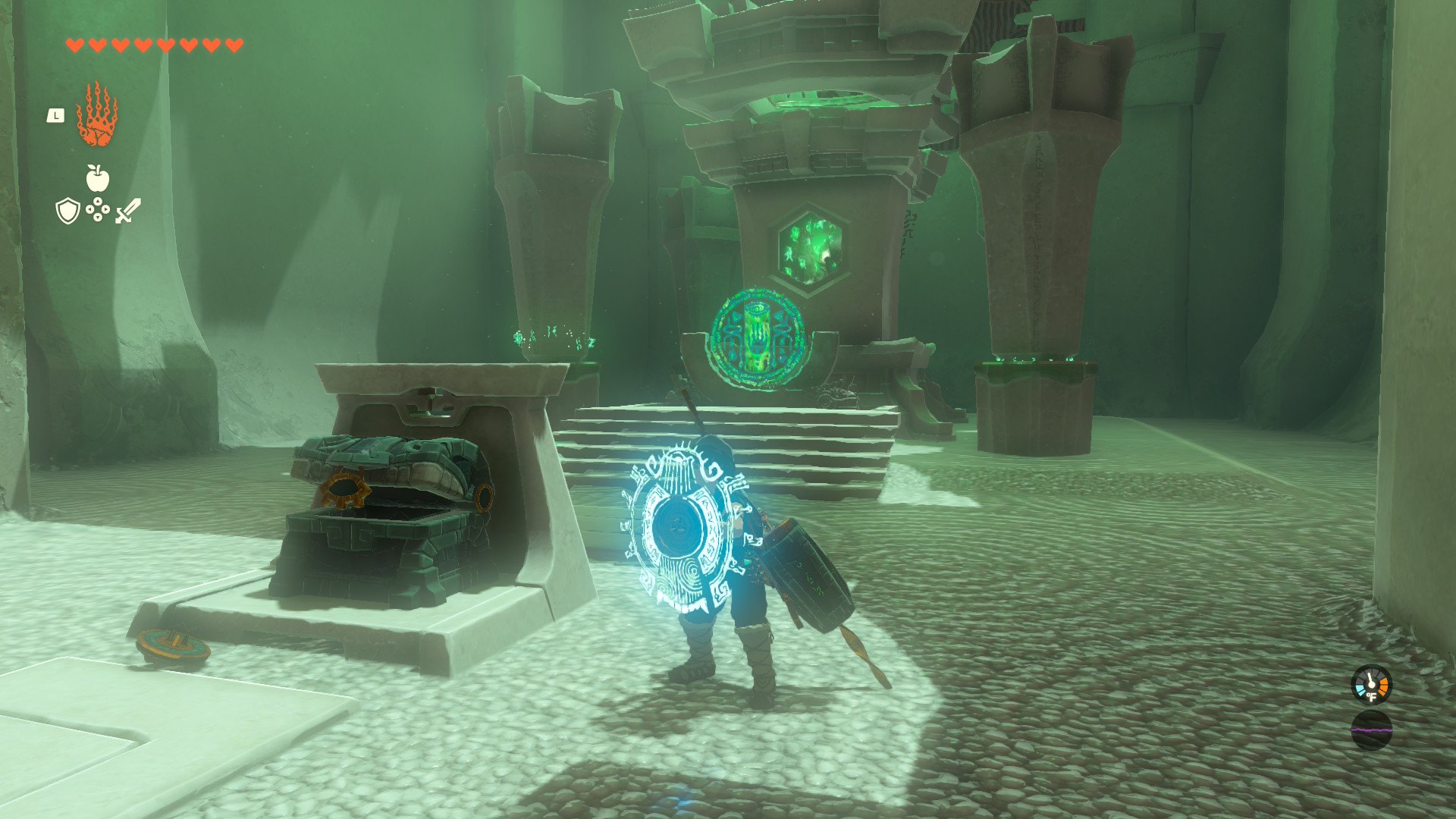
Docked vs handheld docked wins for building
Docked is the better fit. A big screen helps with building, because you can see what you've made and where the parts sit, and the menus are easier to read. Handheld looks good and is fine for exploring or a shrine, but the Ultrahand screens feel small. For a short sitting, handheld is nice.
What gets in the way fiddly building and the dark Depths
- There's a learning curve at the start, before the new powers become automatic.
- Building can be fiddly with a controller, especially rotating parts.
- The Depths are dark and stressful at first.
- If you only have twenty minutes, it can feel like you barely got going.
- There's a lot to remember between sessions.
On Switch 2 a €9.99 upgrade, 1440p docked and 60fps
The Switch 2 Edition is a €9.99 upgrade pack, or it comes included with Nintendo Switch Online + Expansion Pack. Digital Foundry measured 1440p docked at 60 frames per second, with drops to 810p in extreme moments such as moving around with Ultrahand. Handheld runs between roughly 648p and 1080p at 60 as well, with only rare blips, and load times are shorter. That frame rate really helps when you're flying a home-made plane. If you own the game, I'd take the upgrade.
Verdict far more than Breath of the Wild again, and worth the wait
Tears of the Kingdom turned out to be far more than Breath of the Wild again. There's a lot of new content and some brilliant new mechanics, and making your own contraptions is wonderfully inventive. It asks more of your head, so save the big experiments for evenings when you have some energy, and use the quieter ones to wander the land and admire it.
Be warned: the first few evenings have a learning curve, with new mechanics to learn and reflexes to build. It isn't the perfect game for relaxing after work at the start. Once it clicks, it totally is.
Knowing Breath of the Wild helps at the start, but you don't need it, and like every Zelda it's easy to pick up. It's gorgeous, the sound is full of tiny details, and on Switch 2 it runs smoothly. My tip: build something silly in the first hour, watch it fall apart, and laugh. Then keep going.
Once the learning curve is behind you, it's a good chill game for a long day, as long as you let it be one. If you already own it, the upgrade is worth it.